From Beauty Therapy Training to Professional Practice: Greta Bieliauskaite’s Story
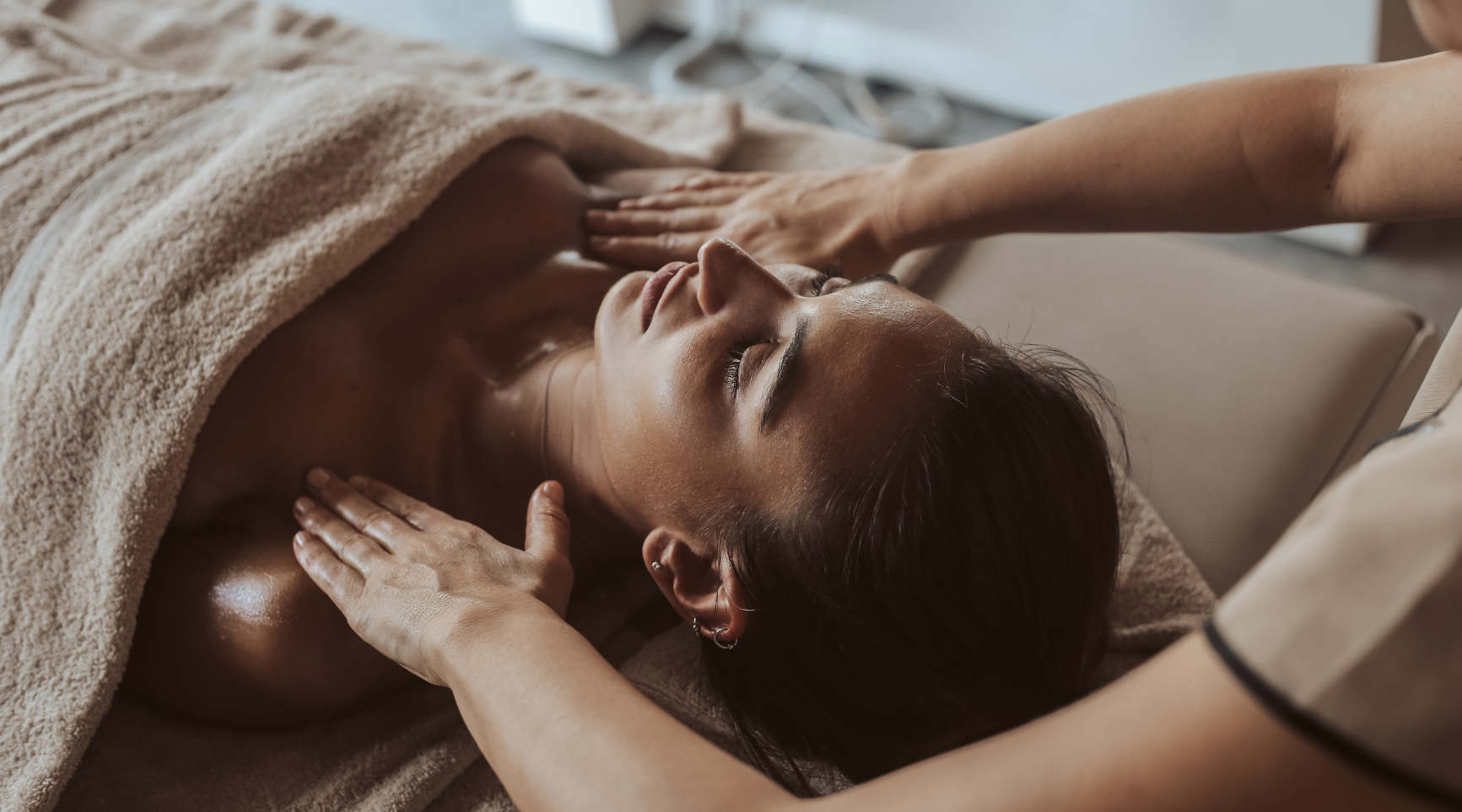
Choosing to train in beauty therapy can open several possible directions. Some graduates begin in salons or spas, others develop a specialist interest in advanced facial or body treatments, and many hope eventually to establish a business of their own. For London School of Beauty alumna Greta Bieliauskaite, training became the beginning of a career built around client care, professional standards and continued progression.
Greta studied Level 2 and Level 3 Beauty Therapy before progressing to Level 4 Laser and IPL training. At the time of the original interview, she had also joined the school’s former on-site commercial salon and spa as a Pro Therapist, giving her the opportunity to put her knowledge into practice with real clients.
Her route remains relevant to students considering beauty therapy today. London School of Beauty currently offers the VTCT Level 2 & 3 Beauty Therapy Diploma followed by advanced options including the VTCT Level 4 Laser Hair Removal course. Greta’s experience shows how a broad beauty therapy foundation can support progression towards more specialised treatments while also developing the client care and communication skills needed in professional practice.
We spoke with Greta about why she chose beauty therapy, what she valued in her training and what she learned when she began working with clients.
Why did you decide to study beauty therapy?
“I had always wanted to study beauty therapy. It really interested me as a career choice, and I wanted to develop a skill that would allow me to progress and work in a range of roles around the world. I wanted to enter an industry where work would not always feel like a job. The days go by so quickly because I genuinely enjoy what I do.”
Greta was drawn to beauty therapy because it offered variety as well as the possibility of long-term progression. This is an important consideration for anyone researching beauty therapy training. A strong foundation can introduce learners to several treatment areas and help them understand which parts of the profession they may wish to explore in greater depth.
Some students discover that they enjoy delivering a broad menu of salon services. Others become particularly interested in facials, electrical treatments, body treatments or advanced aesthetics. Greta’s later enthusiasm for facial electrotherapy and Laser and IPL treatments developed from this broader starting point.
For learners who want to study both foundational and more advanced beauty therapy treatments as one structured route, the school’s current Beauty Therapy Diploma brings the two levels together within one programme. London School of Beauty also offers separate Level 2 Beauty Therapy and Level 3 Beauty Therapy routes for learners who prefer to progress one stage at a time.
Why did you choose London School of Beauty?
Greta took time to research where she wanted to study. She visited different training providers, read reviews and considered the environment in which she would be learning.
“I really did my research in trying to find the best beauty school in London, I visited all of them and LSBM really stood out in terms of large light classrooms, the commercial salon, and how friendly the staff were. I also read all the Google and Facebook reviews which helped me in my decision. I wanted a school with standards, where I was going to learn the treatments to the best of my ability, not a school where they would push you through in a short space of time and you would come out with a bad standard of treatment.”
What stands out in Greta’s answer is that she was not simply looking at the course title or the quickest route into the industry. She wanted a training environment where she could learn properly, ask questions and develop treatment standards that would help her feel prepared for professional work.
That is still an important lesson for anyone comparing beauty therapy courses. The qualification matters, but so does the structure of the training, the level of support, the treatment experience gained during the course and whether the route fits the student’s longer-term goals.
The best part of her training
When reflecting on her course, Greta placed particular emphasis on the support and knowledge of the teaching team.
“Every part was amazing, but the best part for me is how skilled, friendly and approachable all my tutors were as well as the office team. I did all the beauty levels in the school and had different teachers for each, who were all so knowledgeable in their particular specialism, it’s great to learn from different people and understand the journey they went on to get to where they are now.”
Beauty therapy covers a wide range of knowledge and practical skills. For students, learning from tutors with different areas of experience can help build a broader understanding of the industry and the standards expected within different treatment areas.
Greta’s answer also points to the importance of feeling able to ask questions and receive guidance. Practical confidence is built through repeated application, feedback and correction. A student does not only need to know the order of a treatment; they also need to understand why each stage matters, how client consultation affects the treatment plan and when it may be necessary to adapt or avoid a treatment.
Discovering an interest in advanced treatments
As Greta progressed, she became especially interested in facial electrotherapy and Laser and IPL treatments.
“My favorite treatments are electrotherapy facials and laser/IPL treatments because you can see the long-term effects, especially when clients return and they are so happy with the results! Laser & IPL treatments are definitely my favourite for hair removal and skin rejuvenation. The science behind the machines is really interesting and the effect that this has on the skin is really incredible.”
This is a good example of how a broad beauty therapy foundation can help students discover where they may want to specialise. Some learners begin with general beauty therapy and later realise they are particularly drawn to facials, skin treatments, electrical treatments or advanced aesthetics.
Greta’s advice for future beauty therapy students
Greta’s advice for people considering beauty therapy focuses on both attitude and professional standards. She emphasises the importance of listening carefully, bringing the right energy to each treatment and choosing training carefully.
“My advice would be that you have to perform every treatment from your heart, you can’t be tired or in a bad mood as the client will pick up on this energy; you have to be happy and positive at all times, this is how you get return clients and repeat business. Really listen to what the client is asking for in their consultation, and perform each treatment to the best of your ability. I would definitely still choose LSBM over any other beauty school, the standard that they teach to is far superior to any other beauty school, my friends on my course have all got jobs and gone into the work place at a higher level due to the excellent stand of treatment we are taught here at the school.”
“Visit each school and then make up your mind on where to study, some schools may be cheaper, but you may be in a tiny room with a class of 20, or you may be in a basement with no natural daylight. I would also check that the course they are offering is actually a qualification and not an in-house certificate, there are quite a few misleading schools out there!”
The most practical message in Greta’s advice is still highly relevant: students should research their course carefully before enrolling. This includes checking the qualification, the awarding organisation, the course level, the content covered and any entry requirements. It is also sensible to ask how the course supports the route a student hopes to take next, particularly if they are planning to progress into advanced facials, Laser and IPL, chemical peeling or microneedling.
Greta’s comments on consultation are also important. Listening carefully to a client is central to safe and professional beauty therapy. Consultation helps the therapist understand the client’s goals, identify relevant contraindications, set realistic expectations and provide appropriate aftercare.
What professional practice taught Greta about client care
As Greta gained professional experience, she began to understand that beauty therapy is not only about completing the treatment itself. Client care, communication and the overall experience are just as important as the technical result.
“The most valuable thing which I have learnt is about client care and communication. Before I started this journey I thought that you just do the treatment and the client will be happy, however being a beauty therapist is about so much more than that. Clients come to you as a treat and to relax, there are so many salons out there, however they have chosen to come to you, and book in with you as a therapist; you need to provide them with the best experience possible, it’s about the little things from how you smile at them, how you greet them to how your hands make them feel and the energy which you pass on. The best feeling for me is a happy client, and when they come in to see me having had a bad day, then turning their mood around to being happy once they leave me is the best feeling.”
This reflection captures an important part of client-facing work. A therapist may perform the same service many times, but each client arrives with their own expectations, concerns and reasons for booking. Professionalism means maintaining consistent standards while still treating each person as an individual.
Greta’s answer also shows why client care cannot be separated from technical skill. The quality of a treatment is shaped by the therapist’s preparation, communication, touch, confidence and ability to make the client feel comfortable throughout the appointment.
Greta’s future career goal
Greta’s long-term ambition was to build her own business and create a strong team around her.
“I would love to open my own business, create a wonderful team and exceed all client expectations with the range of treatments that are on offer.”
This goal brings together many of the themes in her interview. Opening a business requires technical ability, but it also depends on client care, service consistency, communication, organisation and professional judgement.
Not every beauty therapy student will want to follow the same career path. Some may aim for salon or spa employment, while others may become interested in advanced treatments, freelance work, management or eventually running their own business. A qualification does not guarantee a particular outcome, but structured training can provide the foundation from which a student begins to build confidence and experience.
Planning a beauty therapy route today
Greta’s journey moved from Level 2 and Level 3 Beauty Therapy into Level 4 Laser and IPL training. For students considering a similar route today, London School of Beauty offers several current options depending on starting point and career aims.
The right route depends on what a learner already holds and where they want their training to lead. Rather than choosing a course by level alone, students should check the current course details, entry requirements and progression options before applying.
Greta’s story remains valuable because it shows beauty therapy as a developing professional journey. Her experience brings together practical skill, specialist progression and the human side of client care. For future students, that combination is often what turns training into confidence and confidence into professional practice.
If Greta’s story has encouraged you to explore beauty therapy or aesthetics training, beauty-school.co.uk or contact the admissions team for help choosing the most suitable route for your qualifications and goals.