Level 3 Access To Aesthetics + Level 3 Award in Facial Electrotherapy
Book a course consultation call
Course description
Build your foundation in aesthetics while developing practical electrical facial skills. This combined programme brings together Level 3 Access to Aesthetic Therapies and the Level 3 Award in Facial Electrotherapy.
Study skin analysis, consultation, anatomy, physiology and pathology alongside electrical science and facial treatments.
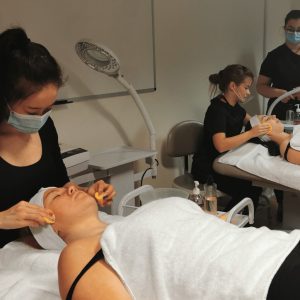
The part-time course combines essential knowledge with practical training, supporting your development in facial practice and preparation for suitable advanced aesthetics study.
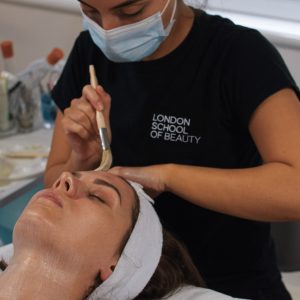
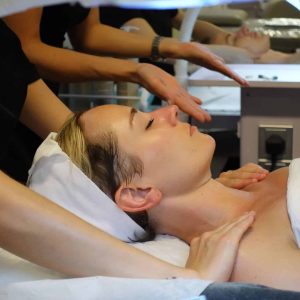
Duration: 7 weeks.
Attendance: Two set days per week.
Class times: 10 am–5 pm.
Please check the course booking options for confirmed start dates and teaching days, or contact our admissions team to discuss the next intake.
| Start Dates | Duration | Places |
|---|---|---|
| Thu, 14 Jan 2027 | Every Thursday and Friday, 7 weeks |
10 |
What will you learn on the combined Level 3 aesthetics course?
Your studies bring together the five mandatory areas within Access to Aesthetic Therapies and the practical Facial Electrotherapy unit.
Skin analysis and facial skincare
Develop the foundations for understanding a client’s skin and planning appropriate facial skincare.
Consultation and client care
Learn how to gather relevant information, communicate with clients and provide aftercare and home-care guidance.
Anatomy, physiology and pathology
Build your understanding of the body and the relevance of this knowledge to safe treatment decisions.
Health and safety
Learn the professional responsibilities that underpin safe salon practice.
Electrical science
Understand the scientific principles that support your study of electrical treatments.
Facial electrotherapy
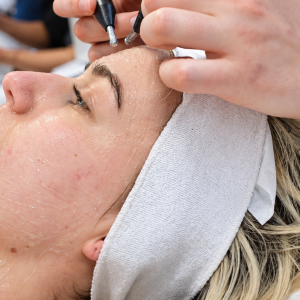
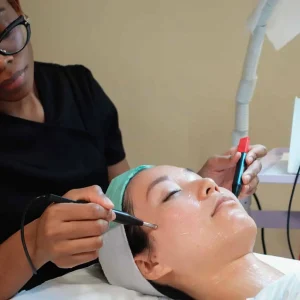
Develop practical skills in electrical facial treatments. The proposed treatment range includes galvanic, high frequency, microcurrent and vacuum suction.
How will you qualify?
You must successfully complete the assessment requirements for both qualifications. These will assess your understanding as well as your ability to carry out the practical work required by the programme.
On successful completion, you will receive:
- VTCT Skills (ITEC) Level 3 Certificate in Access to Aesthetic Therapies
- VTCT Skills Level 3 Award in Facial Electrotherapy
Anatomy, physiology and pathology form part of the Access qualification.
Want to understand the change from our previous facial programme? Read why we are upgrading our facial training pathway.
This combined programme is designed for beginners. You do not need a previous beauty or aesthetics qualification to apply.
- You must be aged 18 or over.
- You must have sufficient spoken and written English to participate in lessons, understand treatment instructions and complete assessments.
- You must be able to attend the scheduled classes and complete the required learning and assessment work.
If you have an existing qualification, a health condition or a support need that could affect practical participation, please speak to our admissions team before booking. We can discuss your circumstances and the suitability of this route.
Pricing
Fee
£2295(VAT incl.)
Option 1 - Pay upfront
Receive a £75 discount
£2220
This applies to a single payment made at least 10 days before the course starts.
Option 2 - Deposit
30% required to secure your place
£688.50
Remaining balance due 7 days prior to the course start date

Only a 30% Deposit is required to secure your place on this course if the course start date is more than 1 calendar month away. Any courses with a start date less than one calendar month away will be required to pay full balance. To discuss payment plan options, please call the administration team on 020 3966 8690.
The combined route is intended for beginners who want to study the foundations of aesthetics and develop electrical facial skills. If you are unsure how it fits your career plans, arrange a call so we can help you compare your options.
The two qualifications serve different purposes. Access prepares you for further aesthetics study; the Facial Electrotherapy award develops practical electrical facial treatment skills. The combined programme brings both into your training route.
Yes. You will study anatomy, physiology and pathology within Access to Aesthetic Therapies, rather than receiving the separate Anatomy and Physiology award offered on the previous programme.
Yes, Access to Aesthetic Therapies is designed to prepare learners for further specialist study such as Level 4 Laser and IPL and Level 4 in Advanced Aesthetics Our team can review the full requirements with you before you book.
Facial electrotherapy skills can support your development in professional skincare services. The work you undertake will depend on your competence, the treatments covered by your qualifications, employer requirements and appropriate insurance. You can also consider further study as your interests develop.
Course options for